


Types of Squirrels: Grey vs Red vs Flying Squirrels Explained
That thumping and scratching above your ceiling is not always mice or rats. Squirrels are one of the most common wildlife pests to enter Canadian homes, and most homeowners are surprised to learn that the type of squirrel matters just as much as the fact that one got in. Different types of squirrels behave differently, cause different kinds of damage, and require different removal strategies. Knowing which one you are dealing with is the first step toward getting your home back.
How Many Types of Squirrels Are There in Canada
Canada is home to 22 different species of squirrels, categorised as ground-dwelling, tree, and flying squirrels. For homeowners, the three that matter most are the grey squirrel, the red squirrel, and the flying squirrel. These are the species most likely to find their way into your attic, walls, and roof space, and each one brings its own set of problems once it gets inside.
The Grey Squirrel: The Most Common Home Invader
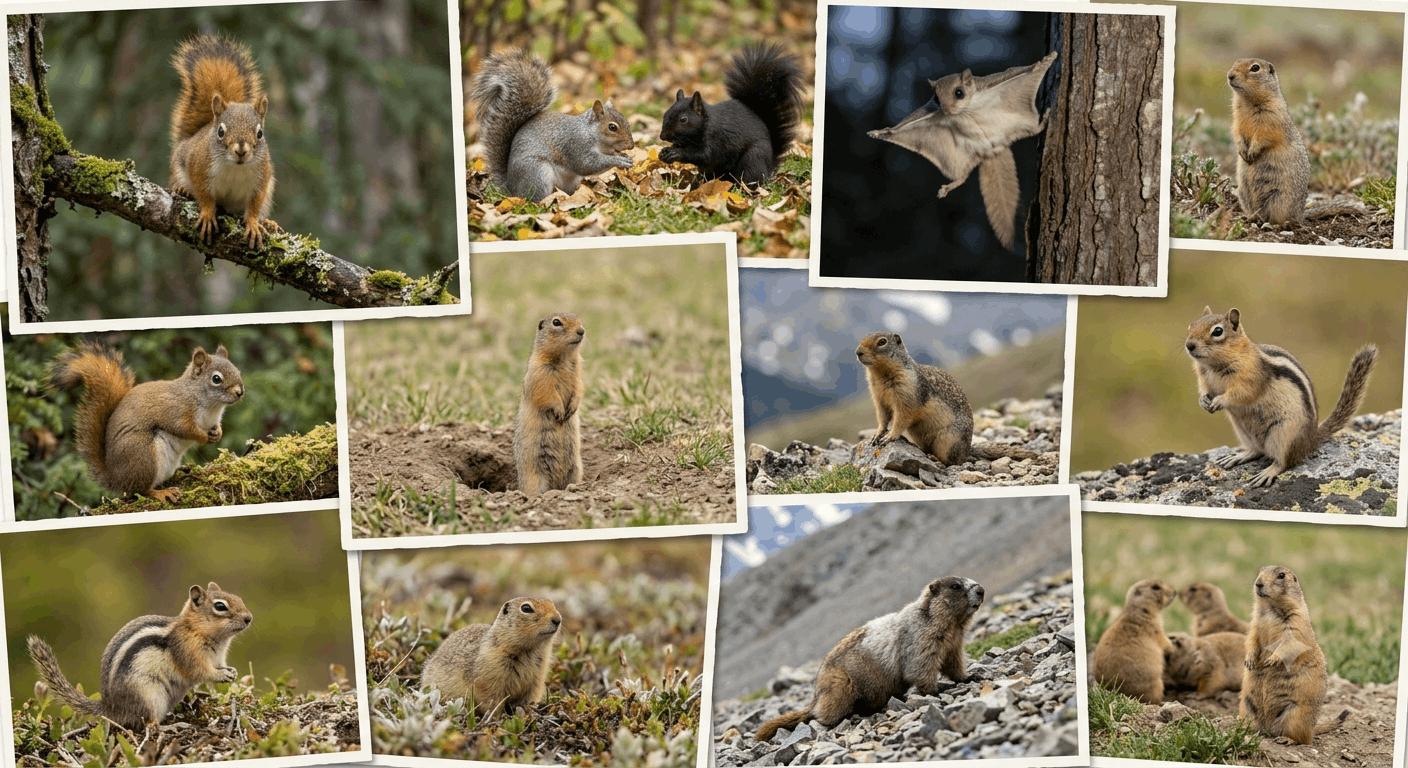
The eastern grey squirrel is the most common species in Canada, found across southern Canada, including Ontario, Quebec, and Nova Scotia, with grey, black, or brown fur and tails as long as their bodies.
Grey squirrels are bold, adaptable, and extremely persistent. They are comfortable in urban and suburban environments and actively seek out warm shelter when the weather turns. Your attic is exactly what they are looking for.
Here is what makes grey squirrels a serious home pest:
-
- They chew through soffits, roof edges, and vents to create entry points
-
- Grey squirrels breed twice a year in early spring and mid-summer, with litters of three to five young, and mothers often move into attics or walls to protect their young during birthing seasons
-
- Their natural curiosity and drive to nest make them more likely to chew through insulation, wires, and wood than other species
-
- A single grey squirrel creates multiple food caches and can cause widespread damage across your entire attic space
Grey squirrels are also legally protected in many Canadian provinces. Under Ontario’s Fish and Wildlife Conservation Act, squirrels are protected and illegal to kill them without a proper licence. This is why professional humane removal is always the right approach.
The Red Squirrel: Smaller but Just as Destructive
The red squirrel is smaller than the grey but carries an equally serious potential for damage when it gets inside your home. Red squirrels are about 20 centimetres in length as adults and during winter store large amounts of food in their nests.
That food-storing habit is where the real problem begins for homeowners. Red squirrels love to store food indoors, and you might find piles of acorns or nuts clogging vents or chimneys, blocking airflow and creating fire hazards. These food stashes also attract other pests like insects or rodents, making the problem even worse.
Other red squirrel problems include:
-
- Like grey squirrels, red squirrels chew constantly to keep their teeth sharp and can gnaw on wooden beams, siding, and even furniture, weakening the structure of your home over time
-
- They are highly territorial and will aggressively defend their nesting area once established
-
- Their smaller size makes it easier for them to access tight spaces inside walls and roof cavities
Red squirrels are less common in cities than grey squirrels, but cause significant damage when they do get in. Do not underestimate them based on size alone.
The Flying Squirrel: The One You Rarely See
The flying squirrel is the most overlooked of all types of squirrels, simply because most homeowners never actually see one. Flying squirrels have membranous structures for gliding between trees, are nocturnal, and are rarely seen during the day.
This makes them particularly difficult to detect. While grey and red squirrels are active during daylight hours and easier to spot, flying squirrels operate entirely at night. By the time most homeowners realise they have a flying squirrel problem, a significant colony has already settled in.
What sets flying squirrels apart from other pest squirrels:
-
- They are colonial by nature and rarely enter a home alone, meaning one flying squirrel almost always means many more
-
- Their nocturnal activity means the scratching sounds they produce happen when your home is completely quiet, making them easy to confuse with mice
-
- They glide silently between trees and your roofline, using height and speed to access entry points other squirrels cannot easily reach
-
- Like all squirrel types, they chew on wiring, insulation, and wood once inside
Flying squirrels are the hardest type to remove with DIY methods precisely because their colony behaviour and nocturnal habits make it very difficult to locate the full extent of the infestation without a professional inspection.
What All Types of Squirrels Have in Common Once Inside Your Home
Regardless of which species has entered your home, the damage they cause follows a very similar pattern. Tree squirrel damage is typically caused when pests enter homes to nest, gnawing on insulation, electrical wiring, and structural supports.
Every type of squirrel that gets into your home will:
-
- Chew on electrical wiring, creating a genuine fire hazard with no visible warning
-
- TBurrow into and nest inside your attic insulation, destroying its ability to regulate your home’s temperature
-
- Continuously gnaw on rafters, beams, and wooden supports, weakening your home’s structure from the inside
-
- Soil insulation, surfaces, and air spaces with droppings and urine, creating serious health hazards over time
-
- Create noise disturbances that disrupt your sleep and daily comfort
According to the National Pest Management Association, squirrels cause significant structural and electrical damage when left untreated and professional exclusion is the only reliable long-term solution. The longer any squirrel species remains in your home, the more extensive and expensive the damage becomes.
How Squirrels Get Into Your Home in the First Place
Understanding entry points helps you prevent the problem from happening again after removal. Squirrels are exceptional climbers and highly motivated to find shelter, especially during breeding seasons and cold weather.
Common ways squirrels access your home include:
-
- Damaged or missing soffits and fascia boards along the roofline
-
- Uncovered roof and attic vents
-
- Tree branches that overhang or touch your roof directly
-
- Gaps around pipes or cables entering through exterior walls
-
- Deteriorating roof edges where wood has softened over time
-
- Chimneys without proper caps or screening
Prevention starts with sealing entry points, trimming tree branches, and removing easy food sources around your home. These steps become essential after professional removal to make sure the same problem does not repeat itself.
Why DIY Squirrel Removal Rarely Works
It is tempting to try handling a squirrel problem yourself, especially if you have only spotted one animal. But squirrel removal is more complicated than it appears, and DIY attempts often make the situation worse.
For a complete breakdown of what professional removal involves from start to finish, see our full guide to squirrel pest control.
Here is why professional removal is always the better choice:
-
- Squirrels are legally protected in many Canadian provinces, and improper handling or trapping can result in legal consequences
-
- Sealing entry points without confirming all squirrels have exited first traps animals inside your walls, leading to decomposition and odour problems
-
- DIY removal gets particularly tricky once squirrels have nested or had babies, as young squirrels cannot exit on their own, and the mother will cause serious damage trying to get back in
-
- Without identifying every entry point, new squirrels will simply replace the ones removed
-
- Flying squirrels in particular require colony-level management that DIY traps cannot address
Contact a wildlife specialist for humane removal and compliance with local laws, and use one-way exclusion doors to let squirrels out while preventing re-entry.
What Professional Squirrel Removal Actually Covers
Professional squirrel removal is built around three things: safe removal, complete exclusion, and prevention. A proper service does not just remove the animals you can see. It addresses the full picture.
A professional squirrel removal service includes:
-
- A thorough inspection to identify the species, locate all nesting sites, and find every entry point
-
- Humane one-way exclusion doors that allow squirrels to exit without being able to return
-
- Complete sealing of all entry points using galvanized steel mesh, metal flashing, and hardware cloth that squirrels cannot chew through
-
- Cleaning and disinfecting of squirrel droppings and urine, which carry disease-causing organisms
-
- Repair recommendations for damage caused to insulation, wiring, and structural wood
-
- A follow-up inspection to confirm all animals have exited, and no new activity is present
The exclusion work is what delivers a lasting result. Without it, your home remains a target regardless of how many individual squirrels are removed.
The Squirrel in Your Attic Is Not Paying Rent: It Is Time to Evict It for Good
You should not have to lie awake at night listening to something scurry above your head. You should not have to worry about chewed wires starting a fire or insulation being destroyed one shred at a time. Whether it is a grey squirrel boldly nesting in your attic, a red squirrel hoarding food inside your vents, or a colony of flying squirrels operating silently after dark, the types of squirrels that enter Canadian homes all share one thing in common. They cause real damage, and they do not leave on their own.
The right professional service identifies the species, removes every animal humanely, seals every entry point permanently, and follows up to make sure the job is completely done. Your home deserves that level of protection, and your family deserves that peace of mind.
Contact 4K Pest Control at 4kpestcontrol.ca and take your home back today.
Frequently Asked Questions About Types of Squirrels
Q1. How do I know which type of squirrel is in my home?
Grey squirrels are the largest and most commonly spotted during daylight hours. Red squirrels are smaller with reddish fur and very territorial behaviour. Flying squirrels are the smallest, nocturnal, and are rarely seen directly. A professional inspection will confirm the species and determine the right removal strategy for your specific situation.
Q2. Can squirrels cause a house fire?
Yes. All types of squirrels chew constantly to manage their teeth, and electrical wiring is a frequent target. A gnawed wire inside a wall or attic can spark and ignite surrounding insulation or wood without any visible warning. This is one of the most serious reasons to address a squirrel infestation quickly rather than waiting to see if it resolves on its own.
Q3. Are squirrels protected by law in Canada?
Yes, in many provinces. In Ontario, for example, squirrels are classified as protected wildlife under the Fish and Wildlife Conservation Act and cannot be killed without a proper licence. This makes professional humane removal not just the safest option but often the only legal one available to homeowners dealing with an infestation.
Q4. How do flying squirrels get into my home if I never see them?
Flying squirrels glide silently from nearby trees to your roofline and access gaps in soffits, vents, and roof edges after dark. Because they are entirely nocturnal, most homeowners only notice them from the scratching sounds they produce at night. By the time the sounds are obvious, a colony is usually already well established inside the attic.
Q5. Will squirrels leave my attic on their own once the weather warms up?
Occasionally, a single squirrel may exit on its own, but an established nest, particularly one with young, will not be abandoned. Mothers are extremely protective and will cause serious damage trying to return to their young if they are separated. Waiting and hoping squirrels leave on their own almost always results in a larger infestation and more extensive damage.
Q6. How do I know the squirrels are fully gone after professional removal?
Your technician will schedule a follow-up visit to check exclusion devices, look for any new entry attempts, and confirm no fresh droppings or activity remains. No sounds at night, no new gnaw marks around the roofline, and no visible entry attempts are all strong signs the removal was successful. A reputable provider will not close the job until your home is confirmed clear.