


You’re making dinner, and a fly lands right on your food. Annoying, right? But it’s not just annoying. That tiny insect may have just walked off a piece of rotting fruit, animal waste, or a drain and brought all of that straight to your plate.
Flies are one of the most common pest problems, especially during warmer months. One or two flies are normal. A constant stream of them, or flies showing up in rooms where food isn’t even present, usually means something bigger is going on.
This guide breaks everything down you should know: what types of flies you’re probably dealing with, why they showed up in the first place, how to get rid of them, and when it makes sense to call in a certified fly pest control exterminator.
Why Flies Are More Dangerous Than a Nuisance
Flies are genuinely dangerous to your health. The house fly (Musca domestica) belongs to the order Diptera, insects with just two wings, and because they constantly land, they deposit bacteria and pathogens on every surface they touch.
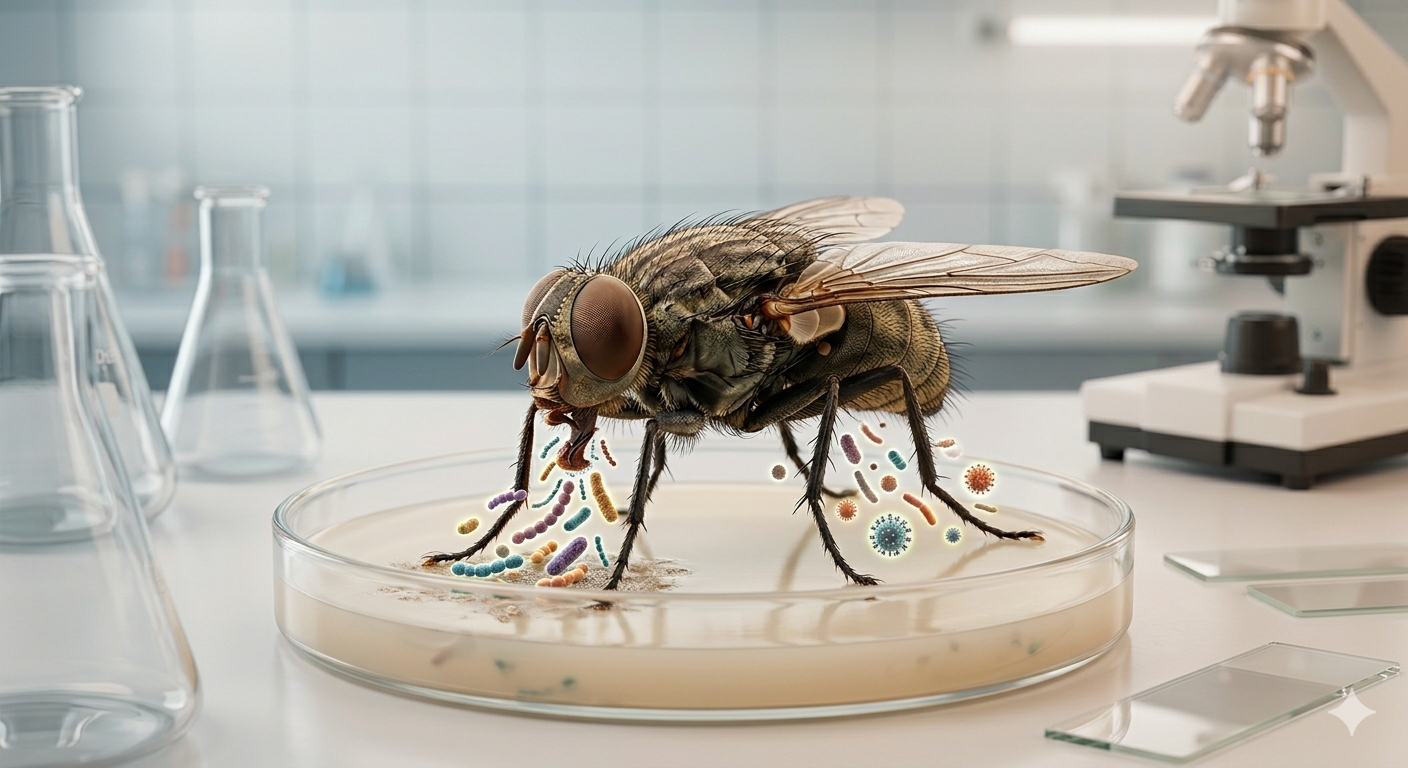
According to a study, house flies are associated with over 100 pathogens, including bacteria, viruses, fungi, and parasites. Diseases linked to fly contamination include typhoid fever, dysentery, diarrhea, and food poisoning, all spread through mechanical transmission via the fly’s sticky leg pads, spongy mouthparts, and hairy body.
And it gets worse: another study found that a single house fly can carry up to 2 × 10¹² E. coli bacteria. That’s enough to make you take fly pest control a lot more seriously.
Know Your Enemy: Common Fly Species in Canada
Not every fly you see is the same species, and that actually matters because different flies breed in different places and need different treatment approaches.
House Fly (Musca domestica)
The most widespread. Breeds in decaying organic matter, animal waste, garbage bins, and food scraps. If you see flies buzzing around your kitchen or garbage area, this is usually the culprit.
Fruit Fly (Family Drosophilidae)
Also called the vinegar fly, this small red-eyed pest breeds rapidly in fermenting fruit, rotting vegetables, beer, wine, and vinegar. Even improperly rinsed mops used to clean kitchen floors can become a fly breeding ground.
Drain Fly (Family Psychodidae)
Small, fuzzy, moth-like insects that breed in dirty water, organic buildup inside drains, and even compost. Weak fliers, but incredibly annoying if your bathroom or kitchen drain is infested.
Cluster Fly (Pollenia)
These look like house flies but are sluggish and tend to overlap their wings at rest. They enter homes in late summer, typically August to September, and overwinter inside wall voids and attics. On warm days, they emerge by the hundreds to bask near windows.
Green Bottle Fly (Family Calliphoridae)
Attracted to garbage, carrion, and dog droppings. Under ideal conditions, their life cycle from egg to adult can be completed in as little as 7 days, which means a small problem can become a large fly infestation very quickly.
What’s Attracting Flies to Your Home?
This is the question most people skip, but it’s the most important one. Getting rid of flies without removing what attracted them is like mopping the floor while the tap is still running.
Flies don’t show up by accident. Something in your space is drawing them in:
- Rotting fruit or overripe produce sitting on the counter
- Standing water in sinks, flower pots, or clogged drains
- Pet food left out, or animal waste in the yard
- Garbage cans without tight lids
- Compost bins are too close to the door
- Moisture from leaky pipes or damp mops
- Organic buildup inside kitchen drains
Flies are after warmth, moisture, and carbon dioxide; wherever people and animals are, flies will follow. One fly finds a food source, and others come quickly. A couple on Monday can easily be a dozen by Wednesday.
Noticing flies consistently despite cleaning? That’s usually a sign of an active breeding source. Read our full breakdown of fly infestation warning signs homeowners commonly overlook.
DIY Fly Pest Control: What Actually Works
Before calling a professional, there are solid DIY fly control measures you can put in place. Some of these are surprisingly effective, especially when combined.
Sanitation First
This is the backbone of any fly control strategy. No trap or spray will keep flies away if the breeding source remains.
- Empty and clean garbage cans regularly and keep lids sealed
- Store ripe produce in the fridge
- Flush drains weekly with boiling water or a foaming enzyme cleaner to clear organic buildup. This is key for drain fly removal.
- Clean up pet food bowls after every meal and pick up dog droppings from the yard.
- Move compost bins away from entry points
Physical Barriers
- Install or repair window screens and door screens.
- Seal cracks around doors, windows, and the foundation, especially important for preventing cluster fly entry in autumn.
- Use an air curtain or door sweep on commercial properties to block entry.
Traps and Repellents
- Sticky fly traps near windows are affordable and effective for house and fruit flies.
- UV light traps (insect light traps) are excellent for kitchens and food service settings.
- Apple cider vinegar trap: Pour a small amount into a jar, add a drop of dish soap, cover with plastic wrap and poke holes; fruit flies are drawn to the fermentation smell.
- Baking soda + vinegar poured down drains can help reduce drain fly breeding sites.
Natural Fly Repellents
Some plants and essential oils genuinely deter flies. Try placing or diffusing:
• Peppermint oil or lavender near entry points
• Basil or rosemary plants on the windowsill
• Citronella candles outdoors during summer
• Cloves or citrus peels in small bowls near fruit baskets
When DIY Isn’t Enough: Signs You Need a Professional Fly Pest Control
DIY methods work well for minor or early-stage problems. But sometimes the fly infestation is deeper than it looks, or keeps coming back no matter what you try. That’s when professional fly control becomes necessary.
Call a certified fly exterminator if you notice:
- Flies are appearing in large numbers despite cleaning and sealing entry points
- Flies coming from inside walls, the attic, or underneath flooring, signs of a cluster fly or blow fly issue, you can’t reach
- A foul odour accompanying the flies, this can signal a carrion issue, like a dead animal in the wall cavity.
- Recurring drain fly problems that come back within days of cleaning
- Commercial properties like restaurants, food processing facilities, or clinics, where food safety regulations require documented pest control
Professional pest technicians use targeted treatments, including residual sprays, insecticide aerosols, insect light traps, and integrated fly pest control programs tailored to your specific fly species and environment. They can also identify breeding sites you’d never find on your own.
Fly Pest Control for Commercial Properties
If you run a restaurant, food service business, or any commercial space, fly pest control isn’t optional; it’s a health and safety requirement. Flies landing on food preparation surfaces in a commercial kitchen cause customer service issues, leading to failed health inspections, fines, or closure.

UV insect light traps (ILTs) are typically installed near entry doors and food prep areas, where fly traffic is highest. Alongside that, scheduled inspections with documented service records keep your business compliant with food safety certification requirements, something health inspectors look for.
On the facility side, air curtains at high-traffic entry points stop flies from drifting in every time a door opens. Regular maintenance to clear organic buildup from floor drains cuts off a common breeding site, and staff guidance on basic sanitation habits goes a long way toward preventing new fly breeding grounds from forming in the first place.
Fly Season in Canada: When to Be Extra Vigilant
In most of Canada, the summer fly season peaks from June through September when warm temperatures accelerate the fly life cycle from egg to adult. House flies and fruit flies are most active during this period.
Cluster flies are different; they’re an autumn problem. From late August into September, they begin searching for overwintering spots inside your walls and attic. By the time you notice them emerging on a warm winter day, thousands may already be inside.
The key is timing: inspect and seal your home’s exterior in late summer before cluster fly entry season begins. This single step can prevent one of the most frustrating fly infestations a homeowner can face.
Final Thoughts
Whether you’re dealing with a few fruit flies in the kitchen or a serious fly infestation that just won’t quit, the right fly pest control strategy makes all the difference.
Start with sanitation, seal your entry points, and use the traps and natural repellents outlined above. But if the problem persists, don’t wait to call experts; flies reproduce fast, and a small issue can become a big one within a matter of days.
Our team at 4K Pest Control provides certified, residential and commercial fly extermination services designed to eliminate flies at the source, not just the symptoms. Schedule an appointment to learn more about our treatments, service guarantee, and how we can help you take back your home or business from flies for a peaceful living.
People Also Asked
Q1. What is the most effective way to get rid of flies inside my house?
Remove the food or moisture source, and most flies have no reason to stay. From there, layer your approach: fix or install window screens, set fly traps near problem areas, and don’t leave food waste sitting out. For persistent cases, a residual spray near entry points helps knock back what’s already inside. One method on its own rarely does the job; combining a few works a lot better. The most effective way is to call the professionals.
Q2. Why do I keep getting flies even after cleaning my kitchen thoroughly?
Flies may be breeding in overlooked spots like drain pipes, mop buckets, or garbage bin lids. Even small moisture buildup or organic residue in drains attracts drain flies. Try pouring boiling water or enzyme cleaner down sinks weekly to eliminate hidden breeding sources. Also, inspect recycling bins, as sticky residue on bottles is a surprisingly common culprit.
Q3. Are chemical fly sprays safe to use around children and pets?
Most aerosol pyrethroids are low-toxicity once dry, but keep children and pets away during application and for at least 30 minutes after. Natural alternatives like eucalyptus or lavender sprays are safer for frequent indoor use while still providing moderate fly-deterrent effectiveness. Always ventilate the room thoroughly and store all sprays securely out of children’s reach. The better approach is to let the certified experts handle the situation professionally.
Q4. How do I get rid of fruit flies, specifically? They seem impossible to eliminate.
Discard overripe fruit, clean all countertops, and set apple cider vinegar traps (a jar with a funnel). Pour diluted bleach weekly into sink drains where fruit fly larvae thrive. Removing every organic breeding source simultaneously is key, while missing even one will restart the infestation. Patience matters: full elimination typically takes 7–14 days of consistent effort.
Q5. Do fly zappers actually work, or are they just a gimmick?
UV electric zappers effectively kill many flying insects, but have limitations; they attract moths more readily than houseflies. For house flies, sticky traps baited with attractant pheromones outperform zappers. In commercial kitchens, glue-board light traps are preferred because they don’t scatter insect fragments. Used correctly, zappers complement, but shouldn’t replace, sanitation-based control and expert pest control strategies.
Q6. How do I stop flies from breeding in my garden or compost pile?
Turn compost regularly to disrupt larvae, cover fresh food scraps with brown material, and avoid adding meat or dairy. Use tightly fitting lids on outdoor bins. In hot weather, biological larvicides containing Bacillus thuringiensis israelensis (Bti) safely target fly larvae without harming beneficial garden insects. Positioning compost bins away from the house also reduces the chance of flies migrating indoors.
Q7. When should I call a professional pest control company for flies?
If you’re seeing large blow flies indoors, there’s likely a dead animal somewhere in the structure, which is not something a trap will fix. The same goes for flies that keep coming back, no matter what you try. A professional can track down hidden breeding sites and apply residual treatments that aren’t available over the counter.
Q8. Can flies spread disease, and how serious is the health risk?
Yes, houseflies mechanically transfer pathogens like Salmonella, E. coli, and Cholera from waste to food surfaces. They regurgitate digestive fluid while feeding, depositing bacteria directly. In homes with immunocompromised individuals or infants, prompt fly control is a genuine public health priority, not merely a comfort issue. Even brief fly contact with uncovered food is enough to cause contamination.
Q9. What attracts flies to my property more than my neighbors’?
Uncovered garbage, pet waste, standing water, rotting organic matter, or outdoor cooking smells draw flies preferentially. Animal enclosures, bird feeders, and compost bins are common differentiators. A systematic property audit identifying and removing these attractants usually reveals why your home is targeted more heavily. Even a small blocked drain or forgotten food scrap can make your yard a fly hotspot.
Q10. What are the best fly traps available, and how do I use them correctly?
Sticky ribbon traps work for general use; pheromone-baited bottle traps excel outdoors; UV glue-board traps suit kitchens. Place traps away from food prep areas where possible, replace regularly, and position them between the fly entry point and attractant source for maximum interception efficiency. Check and empty traps every few days, an overfull trap quickly loses effectiveness and becomes unsightly.