


They Look Innocent, But Here Is How to Get Rid of Chipmunks Before They Wreck Your Home
You step outside one morning and notice fresh holes near your deck. Your flower bulbs are missing. The bird feeder is empty again. And then you spot the culprit, a striped little rodent with puffed-up cheeks darting under your porch.
Chipmunks may look harmless, but they cause real damage to Canadian homes and properties every year. From burrowing under foundations to chewing electrical wires and uprooting gardens, these small rodents are a much bigger problem than most homeowners realize.
If you are wondering how to get rid of chipmunks, you are in the right place. This guide covers everything from identifying a chipmunk problem early to using the most effective deterrents, control methods, and long-term prevention strategies. Let us get started.
What Does a Chipmunk Look Like? Know What You Are Dealing With
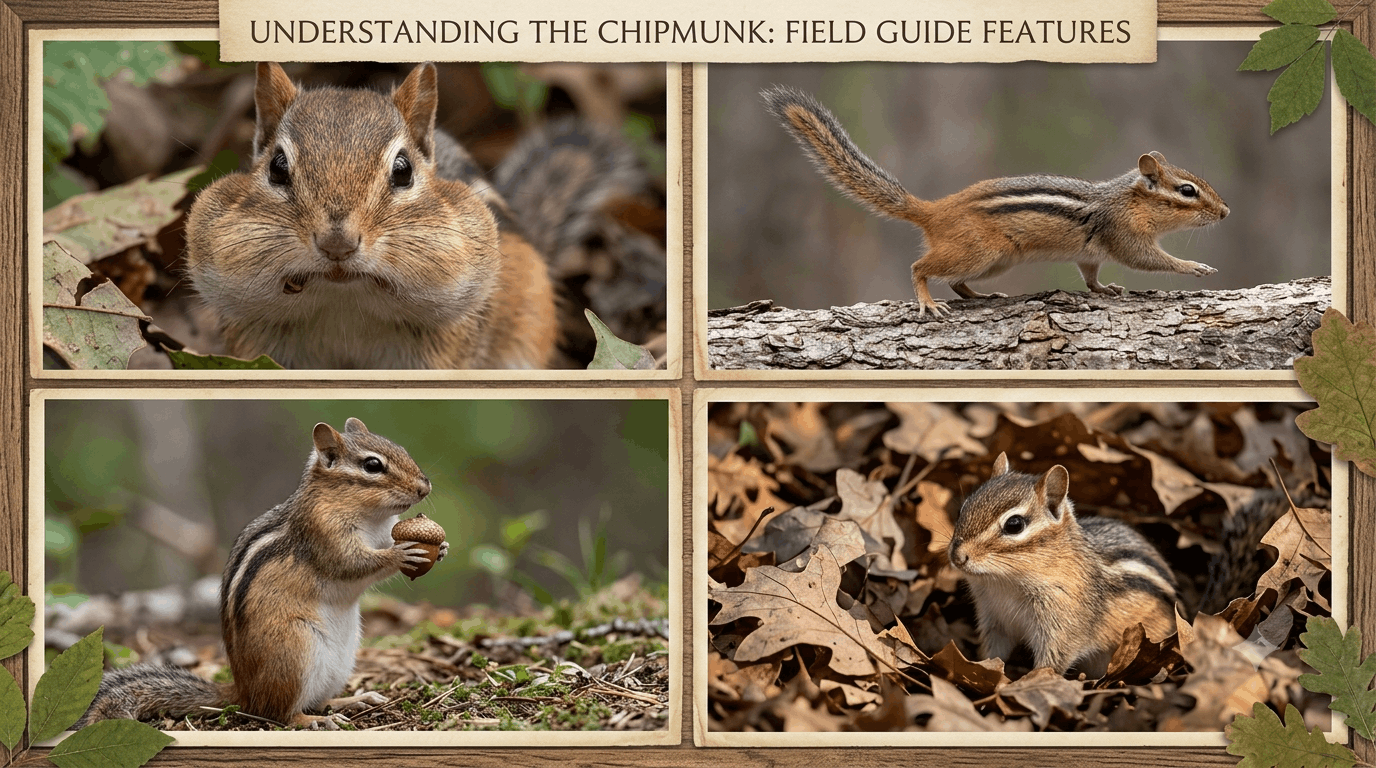
Before you treat any pest problem, you need to confirm what you are actually dealing with. Chipmunks are often mistaken for squirrels or mice, but they have specific features that set them apart.
Here is what to look for:
- Size: Chipmunks are small, usually 5 to 6 inches long, weighing around 3 ounces
- Colour: Reddish-brown or grayish-brown fur, depending on the species
- Markings: Distinct alternating dark and light stripes running down their back and face
- Cheeks: Large, expandable pouches used to carry food
- Tail: Short and slightly bushy, carried upright when running
- Legs: Short with nimble hands built for climbing and digging
In Canada, you will most commonly encounter the Eastern chipmunk (Tamias striatus), which thrives in Ontario and Quebec, and the least chipmunk (Neotamias minimus), which is more common in western provinces and the Rocky Mountain region.
Chipmunks are ground-level animals. Unlike squirrels, they spend most of their time at or below the surface, digging elaborate burrow systems that can stretch several feet underground. That burrowing habit is exactly what makes them so destructive.
Signs You Have a Chipmunk Problem on Your Property
Spotting one chipmunk does not necessarily mean you have an infestation. However, some signs tell you the problem is bigger than a single curious animal passing through.
Watch for these warning signs:
- Those clean, quarter-sized holes near your foundation, retaining walls, patio, or deck are a classic sign of chipmunk burrowing activity.
- No loose soil piled around the hole openings (chipmunks carry soil away in their cheek pouches)
- Disappearing flower bulbs, seeds, or garden vegetables
- Chewed edges on wood siding, gutters, or entry points around your home
- Scratching or scurrying sounds in your walls, crawl spaces, or under your deck
- Small piles of hoarded seeds and nuts tucked beneath deck boards or buried along garden edges
- Fleas appear on pets that spend time outdoors (chipmunks carry them)
If you notice three or more of these signs at the same time, you likely have multiple chipmunks active on your property. The earlier you act, the easier the removal process becomes.
Why Chipmunks Are a Serious Problem (Not Just a Nuisance)
Many homeowners underestimate the damage chipmunks cause because these animals look cute and non-threatening. But the reality is different. Understanding why chipmunks are a genuine pest problem will motivate you to take action before the damage becomes expensive.
- Structural damage is the most serious concern. Chipmunks dig tunnels that run beneath driveways, patios, decks, stairways, and foundations. Over time, these burrows remove the soil support structure underneath concrete and masonry. This leads to cracking, sinking, and in severe cases, foundation instability. Left untreated, the structural repairs that follow can run into several thousand dollars and disrupt your entire property.
- Garden and landscape destruction is also significant. Chipmunks dig up and eat freshly planted bulbs, seedlings, berries, fruits, and vegetables. A single chipmunk can empty an entire garden bed overnight. They also strip bark from young trees and chew through garden irrigation lines.
- Electrical and insulation damage happens when chipmunks find their way into attics, garages, or crawl spaces. They chew through wiring and destroy insulation, which creates fire hazards and costly repairs.
- Disease and parasite transmission are less obvious but real risks. Chipmunks carry fleas, ticks, and in some cases can transmit diseases to pets and humans through indirect contact.
The bottom line is this: a small chipmunk population today can grow into a large, damaging infestation by next season. Acting early saves you time, money, and frustration.
How to Get Rid of Chipmunks: Proven Control Methods
Now we get to the heart of the matter. There are several approaches to chipmunk control, and the best strategy combines more than one method at the same time. Here is a breakdown of each option.
Natural and Homemade Deterrents
If you want to start with low-cost, non-lethal approaches, natural deterrents are a good first step. They work best when combined with other methods.
- Cayenne pepper and spicy repellents. Sprinkle cayenne pepper, chilli flakes, or hot pepper around garden beds, near entry points, and along burrow openings. Chipmunks have a strong sense of smell and dislike the burn. Reapply after rain.
- Predator urine Products that contain fox or coyote urine signal danger to chipmunks. Apply around the perimeter of your yard and near burrow sites. This mimics the natural threat of a predator and encourages chipmunks to relocate.
- Essential oil sprays: Peppermint oil, clove oil, and eucalyptus oil are known to repel chipmunks. Mix 10 to 15 drops in a spray bottle with water and apply to affected areas every few days.
- Plant-based deterrents: Certain plants naturally repel chipmunks. Daffodils, garlic, marigolds, and plants in the allium family are excellent choices to border your garden. Chipmunks avoid these plants due to their strong scent.
Important note: Natural deterrents reduce chipmunk activity but rarely eliminate a full infestation on their own. Use them as part of a broader strategy.
Exclusion Methods
Exclusion means physically blocking chipmunks from accessing areas they are damaging. This is one of the most reliable long-term strategies.
- Hardware cloth barriers: Use quarter-inch mesh hardware cloth to create barriers around garden beds and flower gardens. Bury the cloth several inches below the soil surface and extend it two to three feet above ground. This stops chipmunks from burrowing underneath and climbing over.
- Wire mesh for entry points. Inspect the exterior of your home for gaps, cracks, and openings around the foundation, vents, pipe entries, and soffits. Secure wire mesh over any openings a chipmunk could squeeze through. Even a gap the size of a loonie is large enough for entry.
- Underground barriers for foundations. If chipmunks are burrowing along your foundation or under your deck, consider installing an L-shaped underground barrier of hardware cloth. Lay it flat underground at the base of the structure to block tunnelling paths.
Live Trapping
Live trapping is an effective method for removing chipmunks already on your property without harming them. It works well when the infestation is moderate in size.
Here is how to do it properly:
- Use a small cage trap sized for chipmunks or squirrels
- Bait the trap with peanut butter, sunflower seeds, nuts, or small pieces of fruit
- Place the trap near burrow openings or along fence lines where chipmunk activity is highest
- Check the trap at least twice a day, morning and evening
- Once caught, relocate the chipmunk at least 5 kilometres away from your property, ideally to a wooded area
- Reset and repeat until the activity stops
Be aware that in some Canadian provinces, there are regulations around trapping and relocating wildlife. Always check with your local municipality before trapping.
Snap Traps
For severe infestations, snap traps (rat-sized) can be used as a lethal control method. Place them near burrow entrances and bait them the same way as live traps. Snap traps work faster than live traps when populations are large.
Always check local regulations and dispose of chipmunks responsibly. Keep snap traps away from areas where children and pets have access.
Commercial Repellent Products
Several commercial repellent products are available at garden centres and hardware stores across Canada. Products containing thiram, bitrex, or ammonium soaps of higher fatty acids can be applied to flower bulbs and vegetation to deter chipmunk feeding. Always follow label instructions carefully and avoid using these products on edible crops.
Real-World Examples: What Happens When Chipmunks Go Unchecked
Understanding how chipmunk problems escalate helps you take the threat seriously. Here are scenarios that pest control professionals across Canada deal with regularly.
Foundation Undermining
A homeowner in Ontario noticed a few small holes near their back patio in the spring. They ignored them, thinking it was a passing animal. By late summer, the chipmunks had established a network of burrows running under the entire concrete pad. The patio began to crack and sink unevenly. The repair bill exceeded $4,000. What started as a simple deterrent situation turned into a structural repair nightmare.
Garden Destruction
A family in British Columbia planted tulip bulbs across their front garden in the fall. By spring, nearly every bulb had been dug up and eaten by chipmunks that had burrowed beneath the garden bed over winter. A simple hardware cloth barrier installed before planting would have protected the entire garden for a fraction of the cost.
Attic and Wall Damage
A homeowner in Quebec noticed scratching sounds in their walls during October. A pest inspection revealed chipmunks had entered through a gap near a dryer vent and had been shredding attic insulation to build a nest. Damaged insulation meant higher heating bills all winter, plus the cost of removal and resealing entry points.
These examples highlight something important: chipmunk problems almost always get worse over time if left untreated. Early intervention is always the cheaper and easier solution.
Long-Term Prevention: How to Keep Chipmunks Away for Good

Getting rid of chipmunks is only half the battle. Keeping them gone requires making your property less attractive to them in the first place. Here are the most effective long-term prevention strategies.
Remove food sources. This is the single most effective prevention step. Chipmunks are drawn to your property by food. Take these actions:
- Move bird feeders at least 15 to 20 feet away from your home or remove them altogether during peak chipmunk season
- Store pet food, birdseed, and garden seeds in sealed, rodent-proof metal or heavy plastic containers
- Pick up fallen fruit from trees regularly
- Clean up spilt seeds or nuts around bird feeders
Reduce hiding spots. Chipmunks feel safe when they have cover from predators. Make your yard less hospitable by:
- Keeping your lawn mowed short
- Trimming the lower branches of bushes so the bottom 6 inches above the ground is exposed
- Removing brush piles, leaf piles, and wood stacks that sit close to your home
- Clearing debris and clutter from around your foundation
Seal your home properly. Conduct a thorough inspection of your home’s exterior at least once a year, ideally in early spring, before chipmunks become most active. Seal cracks, gaps, and openings with caulk, copper mesh, or pest control foam. Pay special attention to:
- Foundation gaps and cracks
- Gaps around utility pipes and wires entering your home
- Vent covers and soffits
- Spaces under doors and around window frames
Encourage natural predators: Hawks, owls, foxes, and neighbourhood cats are natural chipmunk predators. You can encourage predatory birds by installing an owl box in your yard. Keeping your grass short helps raptors spot and catch chipmunks more easily.
Schedule regular professional inspections. Even with excellent prevention habits, chipmunks can find new entry points and burrowing opportunities over time. A professional annual inspection keeps your property sealed and gives you peace of mind. For more information on handling wildlife responsibly in Canada, the Canadian Wildlife Federation offers trusted, research-backed guidance for homeowners.
Don’t Let Chipmunks Take Over: Here’s How to Get Rid of Them for Good
Chipmunks are not just a garden annoyance. Left unchecked, they can undermine your home’s foundation, destroy your landscaping, damage your wiring, and bring parasites onto your property. The good news is that with the right combination of identification, deterrents, trapping, and prevention, you can reclaim your yard completely.
Start by confirming the signs of chipmunk activity, then layer your approach: remove food sources, install exclusion barriers, deploy traps where needed, and seal your home properly. For stubborn or large-scale infestations, do not wait until the damage gets worse.
The team at 4K Pest Control has hands-on experience dealing with chipmunk infestations across Canadian properties. Whether you need a professional inspection, humane removal, or long-term prevention planning, we are here to help you protect your home. Contact 4K Pest Control today for a professional chipmunk inspection, serving homeowners across Ontario and beyond. Visit 4kpestcontrol.ca to book.
Frequently Asked Questions About Chipmunks
Q1: Are chipmunks dangerous to humans?
Chipmunks do not typically attack humans, but they can carry fleas, ticks, and, in rare cases, transmit diseases through indirect contact. You should avoid handling chipmunks with your bare hands and keep pets away from areas with active burrows to minimise the risk of parasite transmission.
Q2: How many chipmunks is considered an infestation?
There is no fixed number, but if you notice multiple active burrow openings, consistent garden damage, and regular sightings throughout the day, you likely have an established population. A professional inspection can assess the extent of the problem and recommend a targeted removal plan.
Q3: What is the fastest way to get rid of chipmunks?
Live trapping combined with habitat modification is typically the fastest approach for moderate infestations. Bait traps with peanut butter or sunflower seeds; place them near burrow openings, and check them twice daily. For large infestations, calling a professional pest control service saves time and ensures thorough removal.
Q4: Do chipmunks come back after being removed?
Yes, they can return if the conditions that attracted them remain unchanged. After removal, focus on eliminating food sources, sealing entry points, and installing physical barriers. Without consistent prevention, new chipmunks from the surrounding area will move in to fill the vacancy.
Q5: Is it safe to use poison to get rid of chipmunks?
There are currently no federally registered poison baits approved specifically for chipmunk control in Canada. Using unregistered toxicants is illegal and poses serious risks to children, pets, and wildlife. Stick to legal methods such as live trapping, exclusion, and registered repellent products.
Q6: When are chipmunks most active during the year?
Chipmunks are most active in spring and early fall. They mate twice a year, once in early spring and again in late summer. Activity peaks during these periods when they are actively foraging and expanding their burrow systems. This is the best time to deploy traps and reinforce exclusion measures around your property.